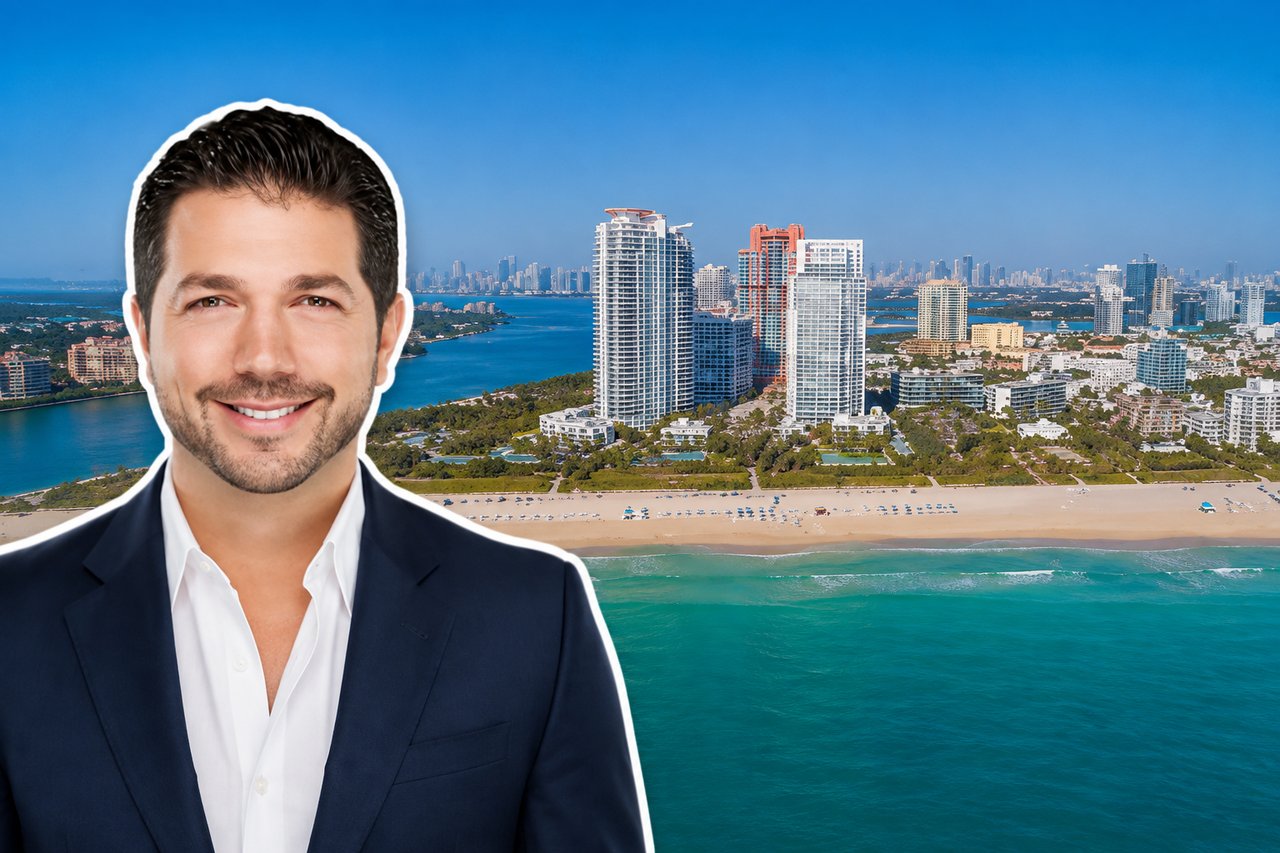
Landmaxxing: Why Billionaires Are Buying the Homes Next Door
In ultra-luxury real estate, the definition of a trophy property is changing.
For years, buyers competed for the biggest homes, the best architecture, and the most spectacular waterfront views. Today, some of the world’s wealthiest buyers are focused on something even more difficult to acquire: the land surrounding them.
The trend has been dubbed “landmaxxing”, the strategy of acquiring neighboring homes and parcels to create larger private compounds, increase waterfrontage, protect views, enhance security, and, perhaps most importantly, control what happens next door.
In South Florida, I’ve watched this trend accelerate as unprecedented wealth continues to migrate to Miami, Palm Beach, and the surrounding communities.
At the highest end of the market, the conversation is increasingly less about the existing house and more about the land underneath it.
That distinction is important.
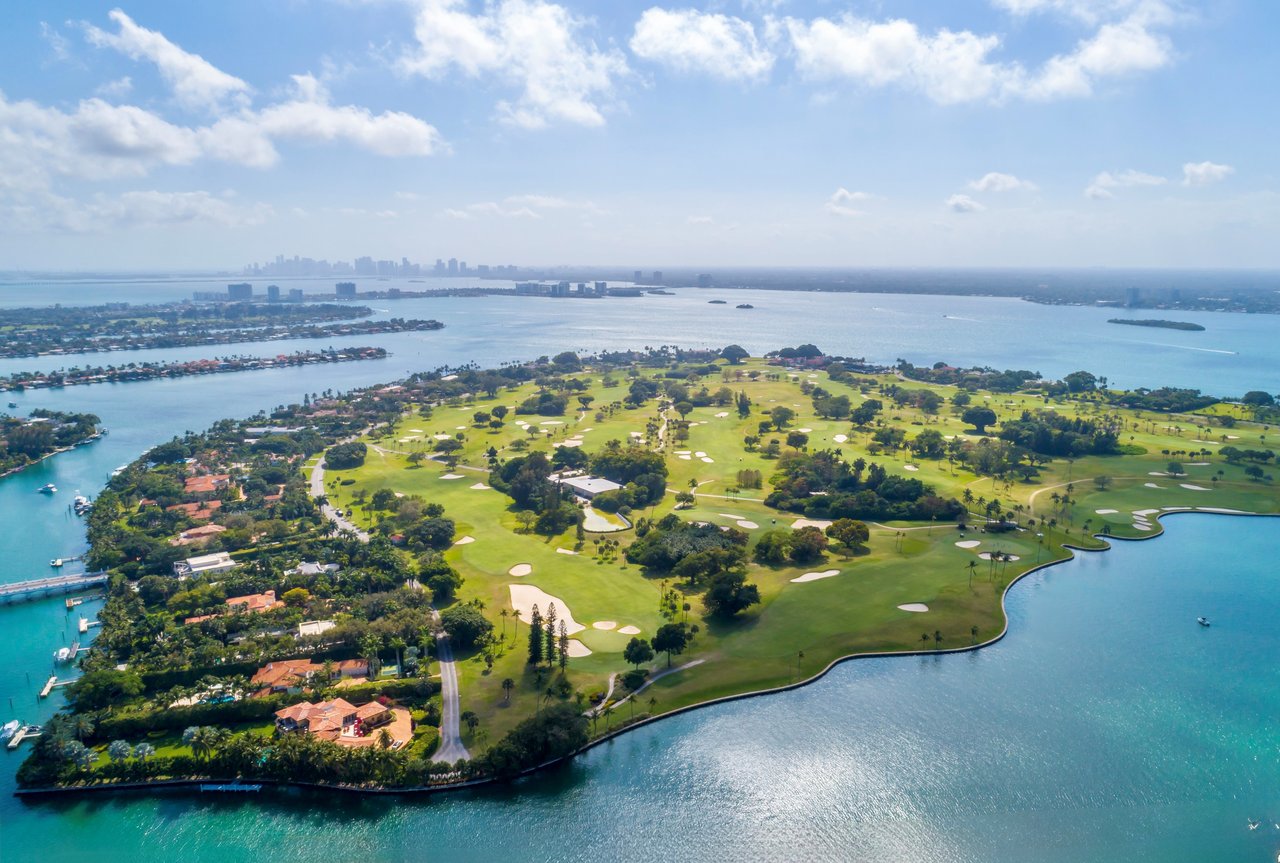
A home can be renovated, expanded, redesigned, or demolished entirely. But in neighborhoods like Indian Creek Island, North Bay Road, Star Island, the Venetian Islands, and other premier waterfront enclaves, there is a finite amount of land, and virtually no ability to create more of it.
When the property next door becomes available, the opportunity may only happen once in a generation.
That scarcity is changing buyer behavior.
Ultra-high-net-worth buyers are increasingly willing to approach neighboring owners privately and, in some cases, pay a significant premium because the strategic value of an adjacent property can be substantially greater to them than its traditional market value.
Few markets illustrate this phenomenon better than South Florida.
Miami has attracted a remarkable concentration of entrepreneurs, investors, technology executives, hedge-fund managers, family offices, and billionaires from New York, California, Chicago, Europe, Latin America, and other global markets.
Many arrive accustomed to large estates and compounds. They may love Miami's waterfront lifestyle, tax environment, international connectivity, and year-round climate, but they quickly discover something: the best waterfront land is extraordinarily limited.
Jeff Bezos has reportedly assembled three waterfront properties on Indian Creek Island for approximately $234 million, creating a substantial footprint within one of the most exclusive residential communities in the country.
In Palm Beach, Ken Griffin has spent years assembling approximately 25 contiguous acres for an extraordinary private estate.
More recently in Manalapan, a four-acre ocean-to-Intracoastal property originally planned for a $285 million speculative mansion was instead acquired and divided between neighboring property owners Larry Ellison and David MacNeil for a combined $67 million, allowing both to expand their existing estates.
These transactions demonstrate a fundamental shift in how the ultra-wealthy view real estate.
They aren’t simply buying houses. They’re assembling land.
For a billionaire or ultra-high-net-worth buyer, acquiring the property next door isn't necessarily about needing another house.
It's about optionality.
Owning adjacent land allows someone to create a guest residence for family and friends, additional staff quarters, gardens, expanded waterfront areas, security buffers, recreational facilities, wellness centers, or entirely separate structures for business and entertainment.
It also provides something increasingly valuable: privacy.
When you own the property next door, you aren't wondering who your future neighbor will be, what they might build, or whether a future development could impact your views or privacy.
You control your environment.
At this level of wealth, that control can be worth considerably more than the traditional price per square foot.
The profile of today's ultra-luxury buyer has also evolved.
Many of my clients aren't simply looking for five or six bedrooms, a swimming pool, and a large backyard. They are thinking about how the property can function as a completely self-contained private resort.
Once multiple parcels are assembled, the possibilities change dramatically.
We're seeing demand for separate guesthouses, expansive outdoor entertaining areas, pickleball and padel courts, professional-grade fitness facilities, private offices and boardrooms, theaters, children's areas, and extensive health and wellness facilities.
Wellness in particular has become an important component of the modern luxury estate. Buyers are creating private spas with infrared saunas, steam rooms, cold plunges, massage and treatment rooms, red-light therapy, recovery areas, and other amenities that previously might only have been found at a five-star resort.
The objective is increasingly simple: bring the five-star resort experience home.
A client should be able to leave the gym, walk through their private wellness center, play a game of padel, take a swim, and then step into their home office or boardroom without ever leaving the property.
That requires something even the most talented architect cannot manufacture: enough land.
This is also creating an interesting dynamic around property values.
Traditional real estate valuation relies heavily on comparable sales, price per square foot, lot size, waterfrontage, condition, and location.
But those metrics don't always capture the strategic value of an adjacent property.
Imagine owning 100 feet of waterfront and having the opportunity to acquire the property next door, creating 200 feet of contiguous waterfront.
That neighboring property potentially has two values: its value to the general market and its strategic value to you.
Those numbers can be very different.
For the right buyer, paying above conventional market value may make perfect financial sense because successfully assembling two or three properties can create something substantially rarer, and potentially substantially more valuable, than the individual properties themselves.
This is where an experienced broker becomes particularly important.
Some of the most valuable opportunities in Miami's ultra-luxury market are never publicly listed.
If a client tells me they want a larger waterfront footprint, I don't necessarily wait for the property next door to come onto the market. We identify the surrounding owners, understand the properties, and determine whether someone might consider selling for the right price.
It becomes a game of chess.
You have to think several moves ahead.
A buyer may purchase one property today knowing that acquiring the neighboring property two, five, or even ten years from now could eventually create the compound they really want.
That long-term thinking is becoming increasingly common among families who aren't just buying for themselves. They're creating generational estates designed to accommodate children, grandchildren, extended family, guests, staff, security, recreation, and business.
After more than 20 years selling luxury real estate in Miami, I've watched buyers' priorities continually evolve.
Views matter. Architecture matters. Interior design matters. Waterfrontage matters.
But at the very top of today's market, privacy, security, space, and control are becoming the ultimate luxuries.
Miami can build more luxury condominiums. We can build taller towers, larger penthouses, more sophisticated amenities, and extraordinary new homes.
What we cannot manufacture is another Indian Creek Island, another Star Island, or another stretch of prime waterfront on North Bay Road.
That is why I believe we will continue seeing wealthy buyers quietly acquiring the properties around them.
For the ultra-wealthy, the ultimate real estate statement may no longer be owning the biggest house in the neighborhood.
It may be owning more of the neighborhood itself.
Jeff Miller
ONE Sotheby’s International Realty
Blog
Jeff Miller | August 11, 2026
Miami Beach Real Estate
Blog
Jeff Miller | July 15, 2026
Indian Creek Island "Billionaire Bunker" Miami
Blog
Jeff Miller | March 11, 2026
Starbucks Howard Schultz Buys Miami Penthouse
Press
Jeff Miller | February 19, 2026
Ocean Front Luxury Living - Jeff Miller Miami
Blog
Jeff Miller | February 19, 2026
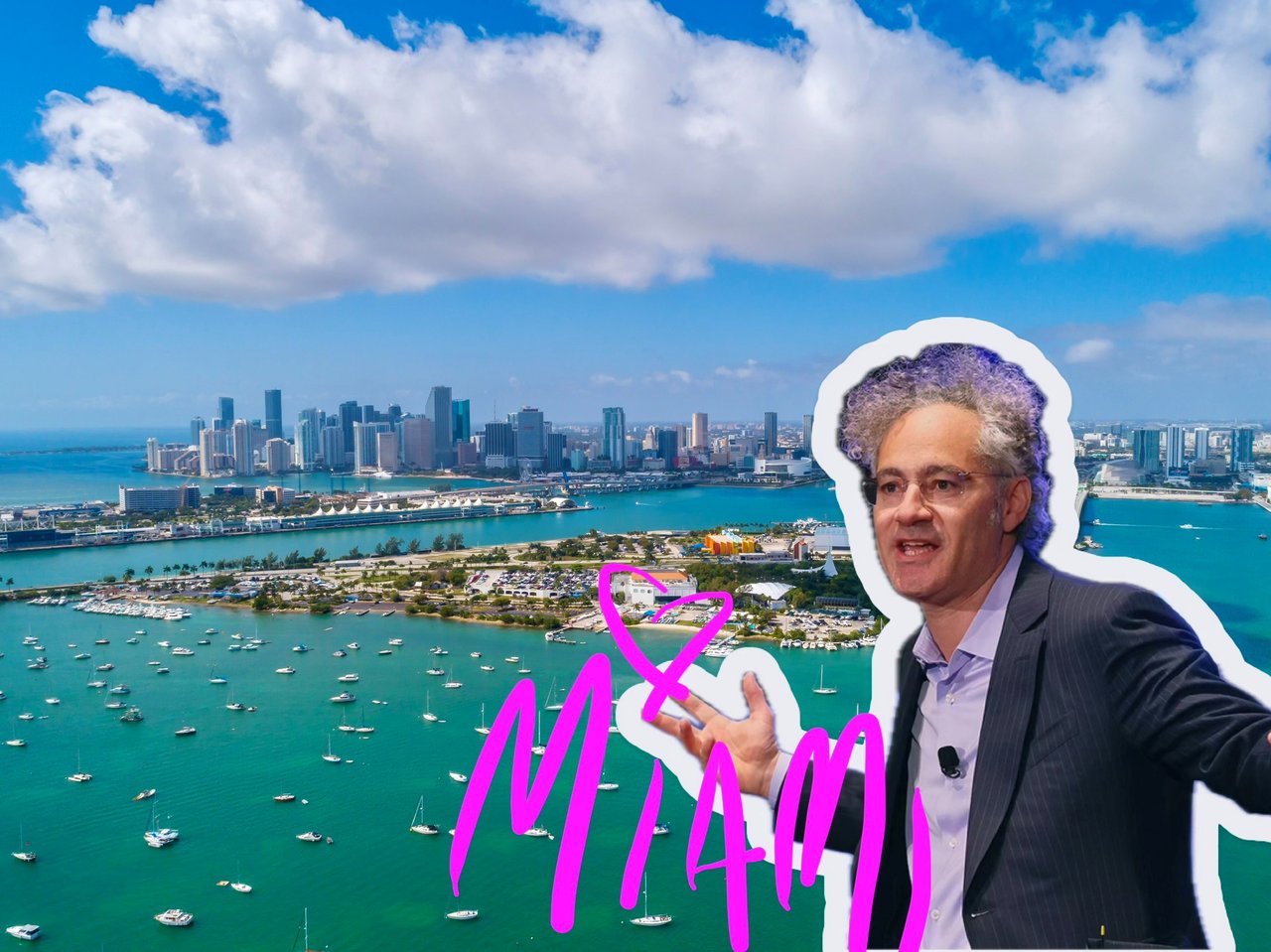
Palantir's Alex Karp Is Moving to Miami
Blog
Jeff Miller | February 10, 2026
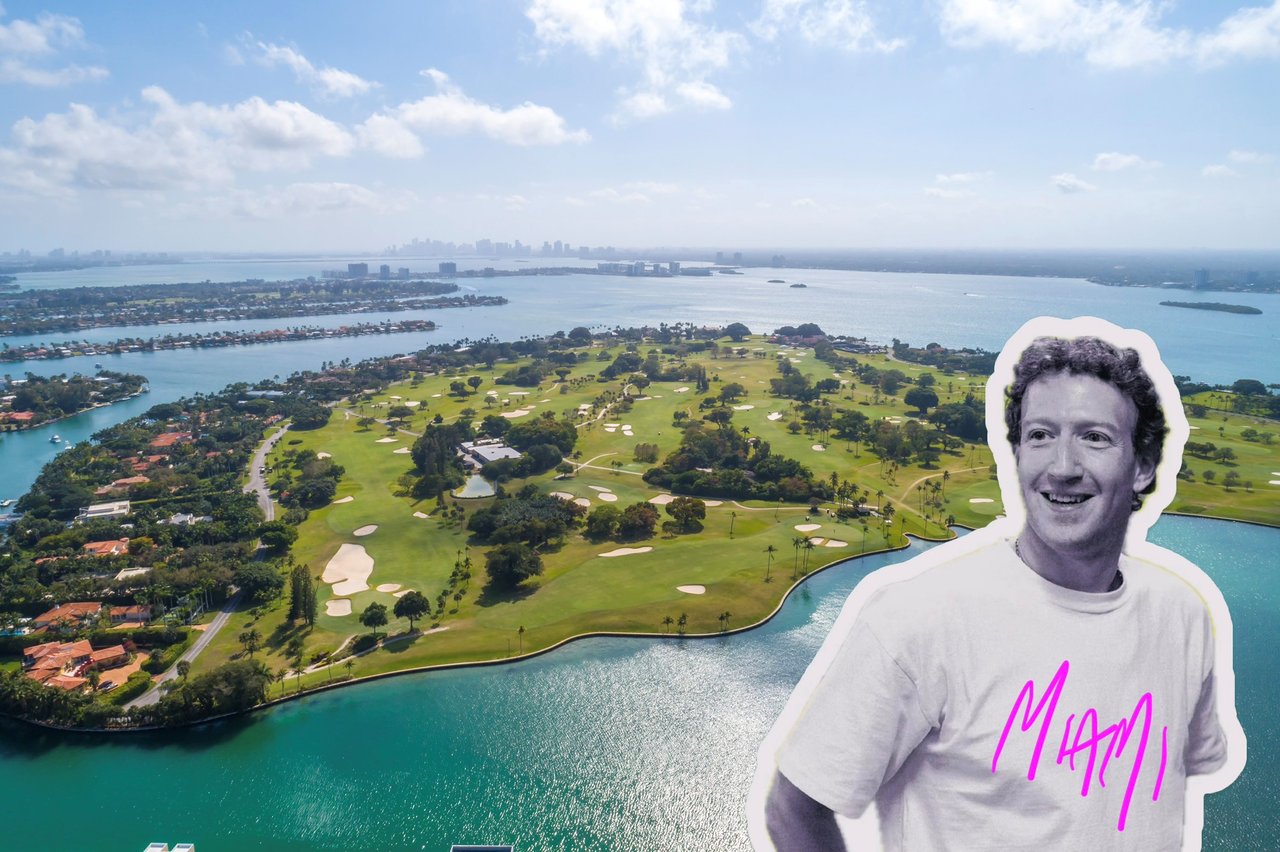
Meta CEO Mark Zuckerberg Buys $170 Million Miami Mansion
Blog
Jeff Miller | November 6, 2025
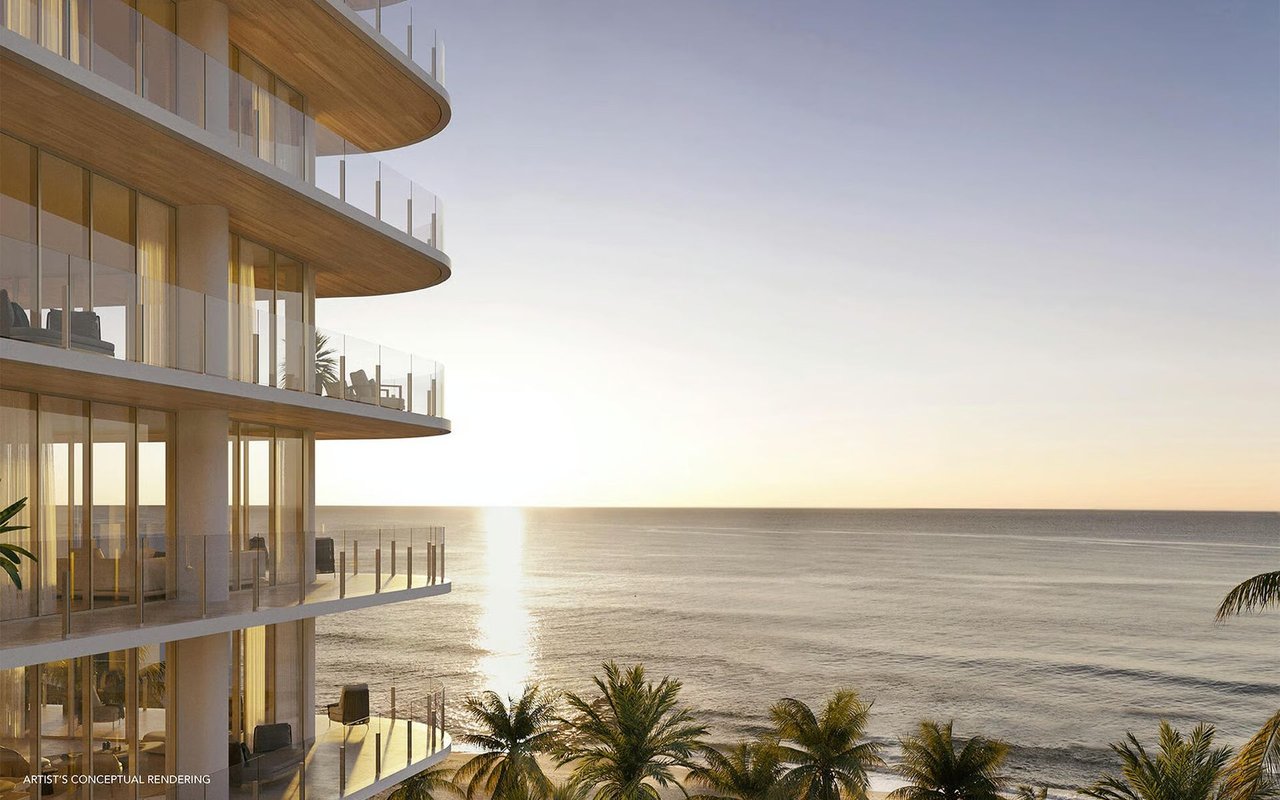
Located in Miami’s Surfside enclave, apartments in the 25-unit luxury tower start at $5 million.
Jeff Miller | October 23, 2025
Check out this home's 20-Ft Atrium, Massive Rooftop Terrace, and Floating Glass Staircase.
Press
Jeff Miller | October 16, 2025
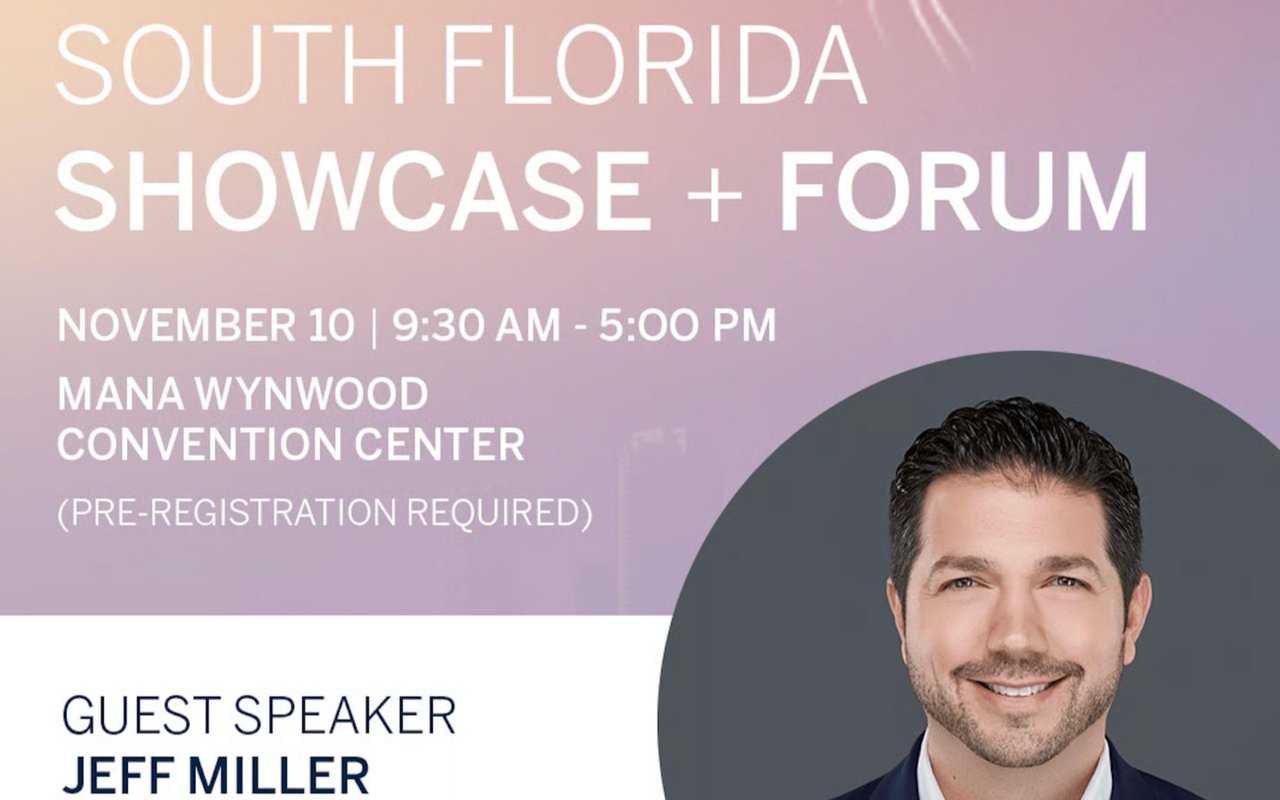
Jeff Miller will participate in The Real Deal's 7th Annual South Florida Showcase.
Global Connections, Local Expertise, World Class Marketing
Get In Touch With Our Team To Learn More
Jeff Miller Group
305.610.4509
ONE Sotheby's International Realty®
119 Washington Ave.
Miami Beach, FL 33139